How can a university communicate its identity without reducing it to a list of achievements? For Roma Tre University, VIS explored this question through a Design Thinking workshop with the university’s CHANGES community, transforming a collective reflection into a video portrait shaped by openness, mobility and international exchange.
A university is more than its buildings, departments and research projects. It is also the network of relationships, ideas and possibilities that allows knowledge to circulate and take new forms. This is the perspective behind a video created by VIS for Roma Tre University, using the CHANGES project as a starting point to explore the university’s identity and values.
CHANGES is a PNRR-funded national ecosystem devoted to the innovation and sustainable development of cultural heritage. Its broad, transdisciplinary network brings together universities, research institutions, companies and third-sector organisations to connect scientific research, humanities, technological development, training and knowledge transfer. The initiative addresses cultural heritage not as a static legacy, but as a field in which new methods, partnerships and forms of participation can be developed.
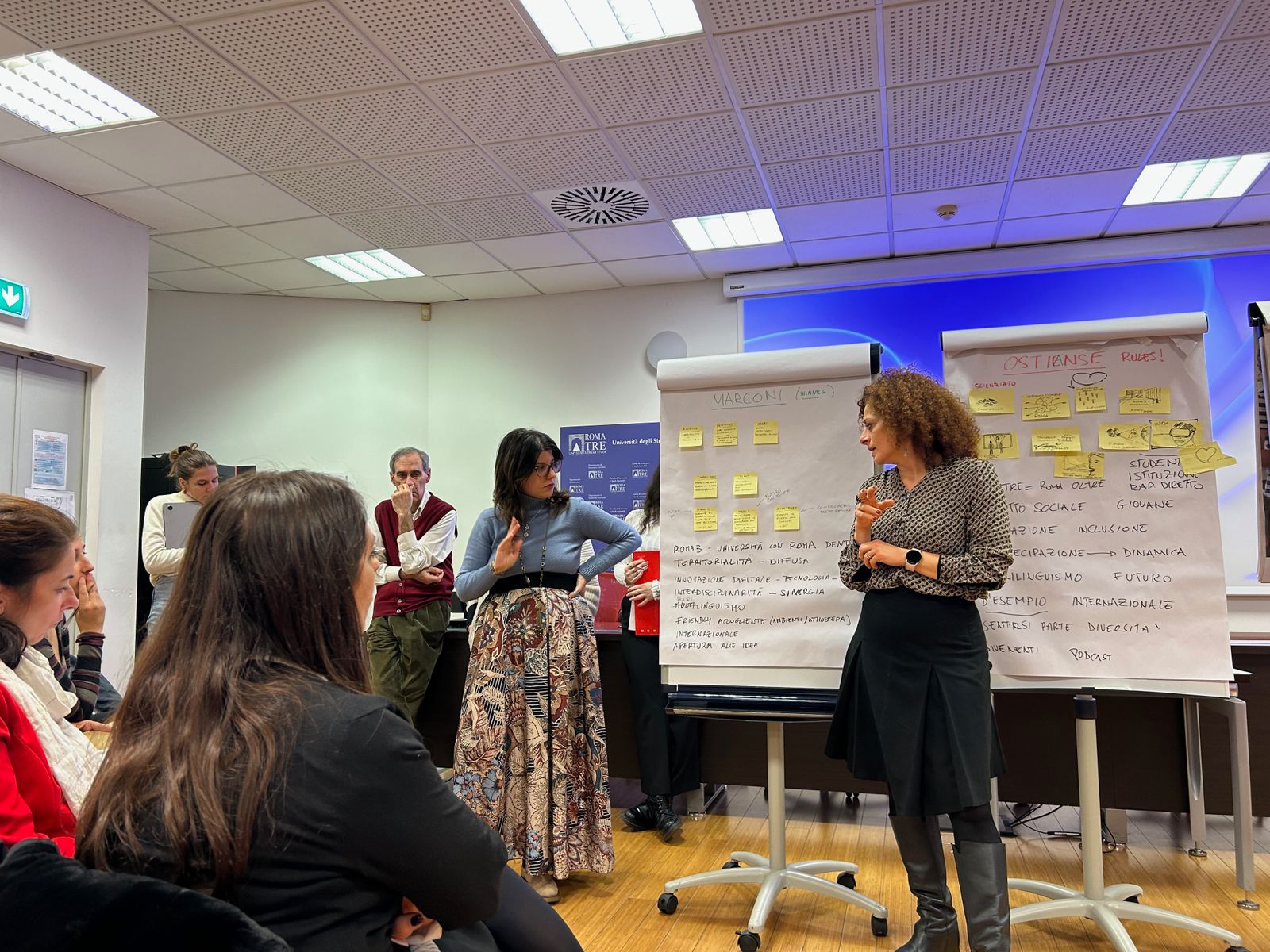
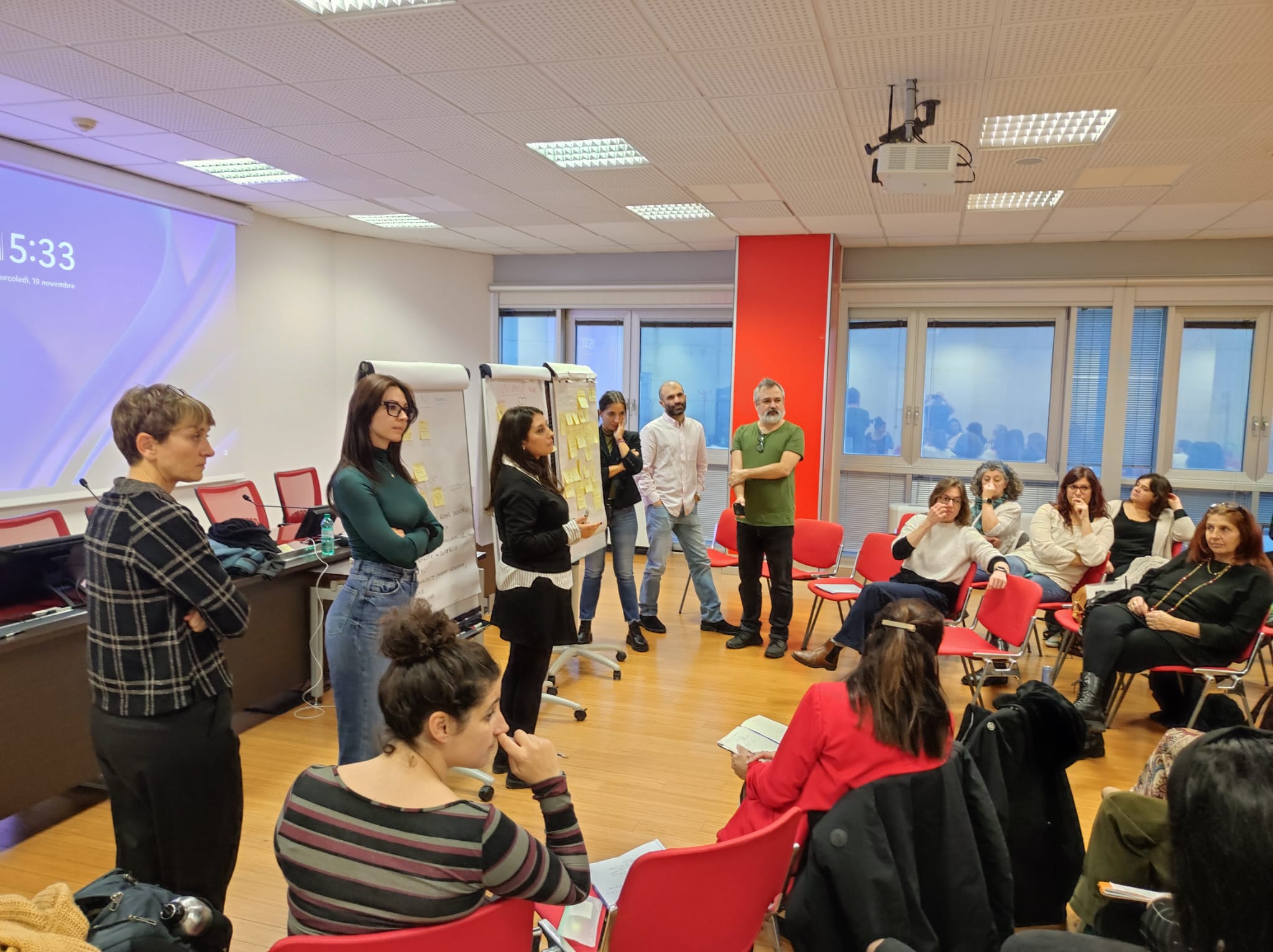
The video was conceived during a Design Thinking workshop led by VIS in Rome with members of the Roma Tre CHANGES community. Rather than beginning with a predetermined script, the process invited participants to reflect on the university they experience and help shape the one they want to communicate. The resulting concept that emerged from this shared work was a collective definition of the qualities that make Roma Tre a distinctive institution within Rome, Italy and the international academic landscape.
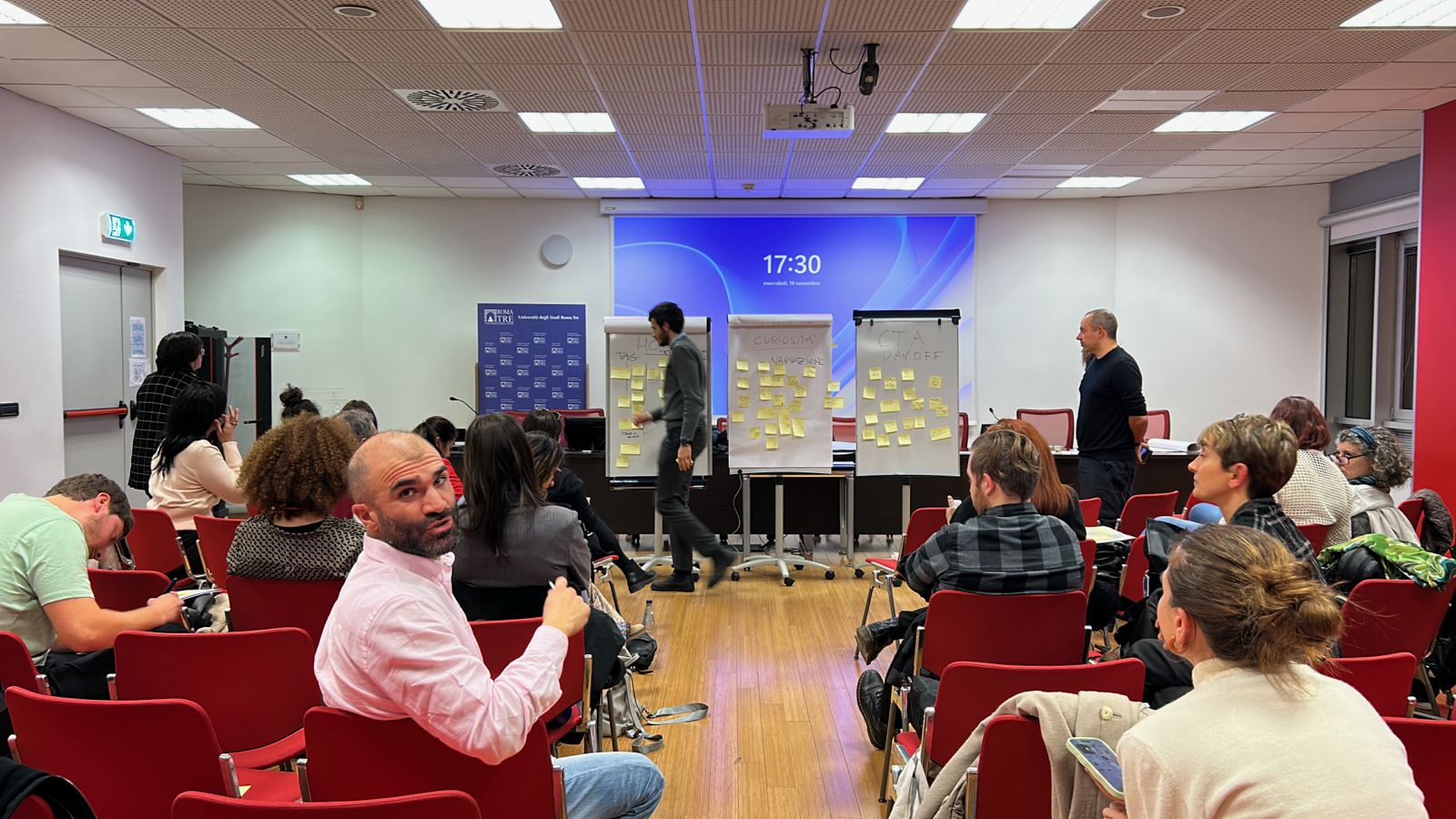
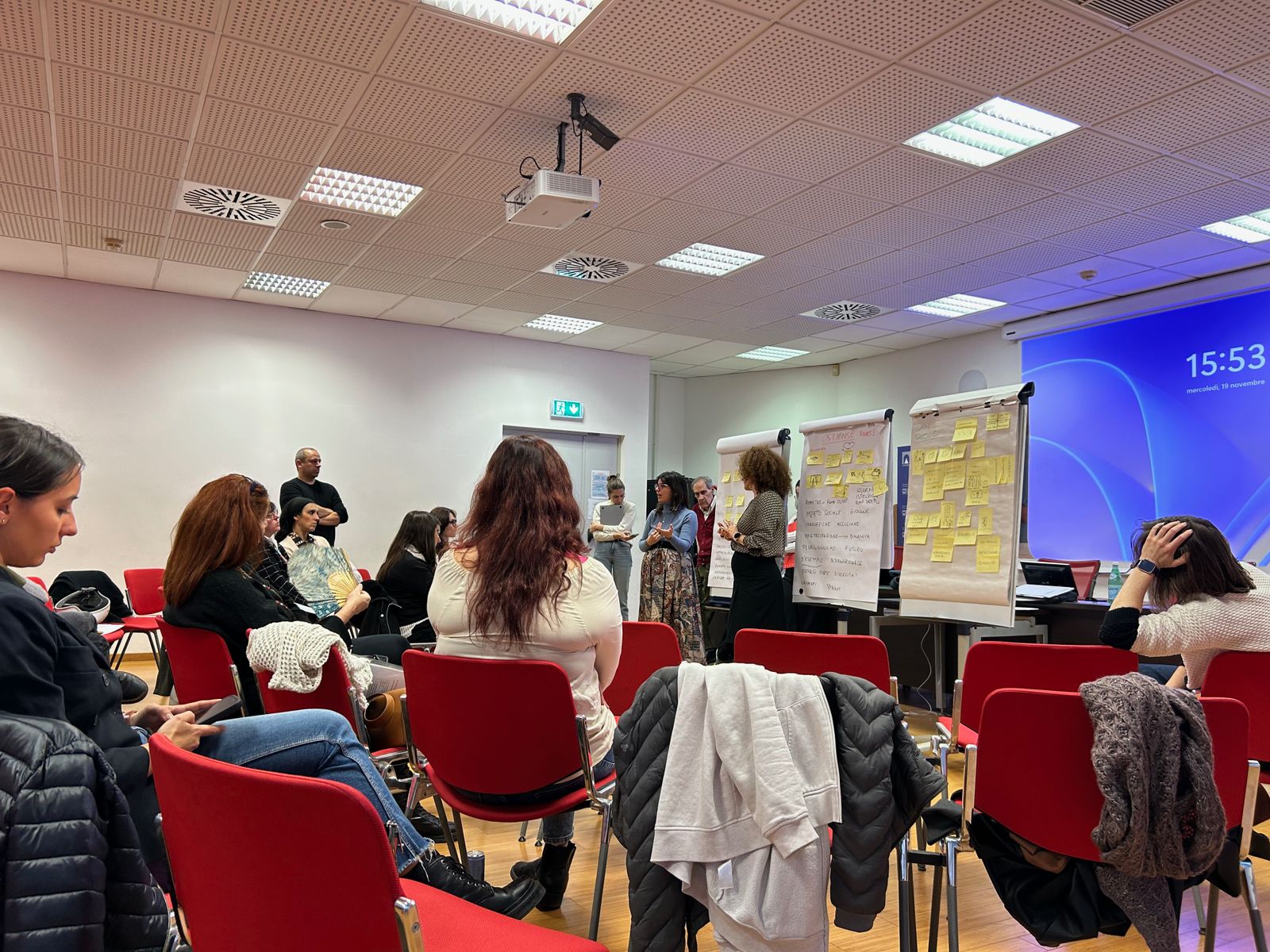
The screenplay therefore does not attempt to summarise CHANGES or illustrate its activities one by one. Instead, it translates the ideas that surfaced during the workshop and training sessions into a broader narrative. Internationalisation, inclusion and mobility become the threads of a story about exchange between disciplines, cultures, generations and places. Within this framework, Roma Tre is presented as a university in motion: rooted in its city, connected to wider networks and prepared to address the cultural, technological and social transformations of the present.
For VIS, the project offered an opportunity to turn a process of listening and collaborative design into a precise audiovisual language. The final video does not simply describe an institution, it gives form to a shared vision of what a university can be when research, education and society are understood as parts of the same conversation.